Medicare Advantage has denied more prior authorization requests from seniors in recent years, according to a new report from health policy research firm KFF that was published Thursday.
Medicare Advantage, the privatized version of Medicare, serves a little more than half of all seniors on Medicare. The health insurance has several pros compared to traditional Medicare, including lower premiums and dental or vision coverage as an add-on.
However, seniors on Medicare Advantage often have to get prior authorization to get certain types of treatments and they are also restricted to select providers within their network.
More From Newsweek Vault: Checking Account vs. Savings Account: Which is Best for Your Finances?
The number of prior authorization requests denied by Medicare Advantage grew between 2021 and 2022 from 5.8 to 7.4 percent. Altogether, 3.4 million prior authorization requests were denied, according to KFF.
In 2020, just 5.6 percent prior authorizations for seniors were getting denied, showing seniors might be facing increasing frustration when it comes to their overall health care through Medicare Advantage.
Prior authorization requirements are meant to ensure that a health service is medically necessary before getting approval for its coverage, however some seniors feel the treatments they need were rejected without a real reason.
Newsweek has reached out to the Centers for Medicare & Medicaid Services (CMS) via email for comment.
More From Newsweek Vault: Here's the Latest Social Security COLA Estimate: Will It Be Enough to Keep Pace With Inflation?
"The recent uptick in Medicare Advantage denials is concerning, to say the least," Michael Ryan, a finance expert and the founder of michaelryanmoney.com, told Newsweek. "A former client called me in tears because her plan denied coverage for a specialist visit she'd been waiting months to get."
Issues with how Medicare Advantage insurers decide on prior authorization requests could be more pervasive than seniors know. While KFF found only one in 10 denied requests were appealed in 2022, the vast majority, 83 percent, of those appeals ended up overturning the original denial.
More From Newsweek Vault: Best Place to Put Your Benefits: CD vs. High-Yield Savings Account
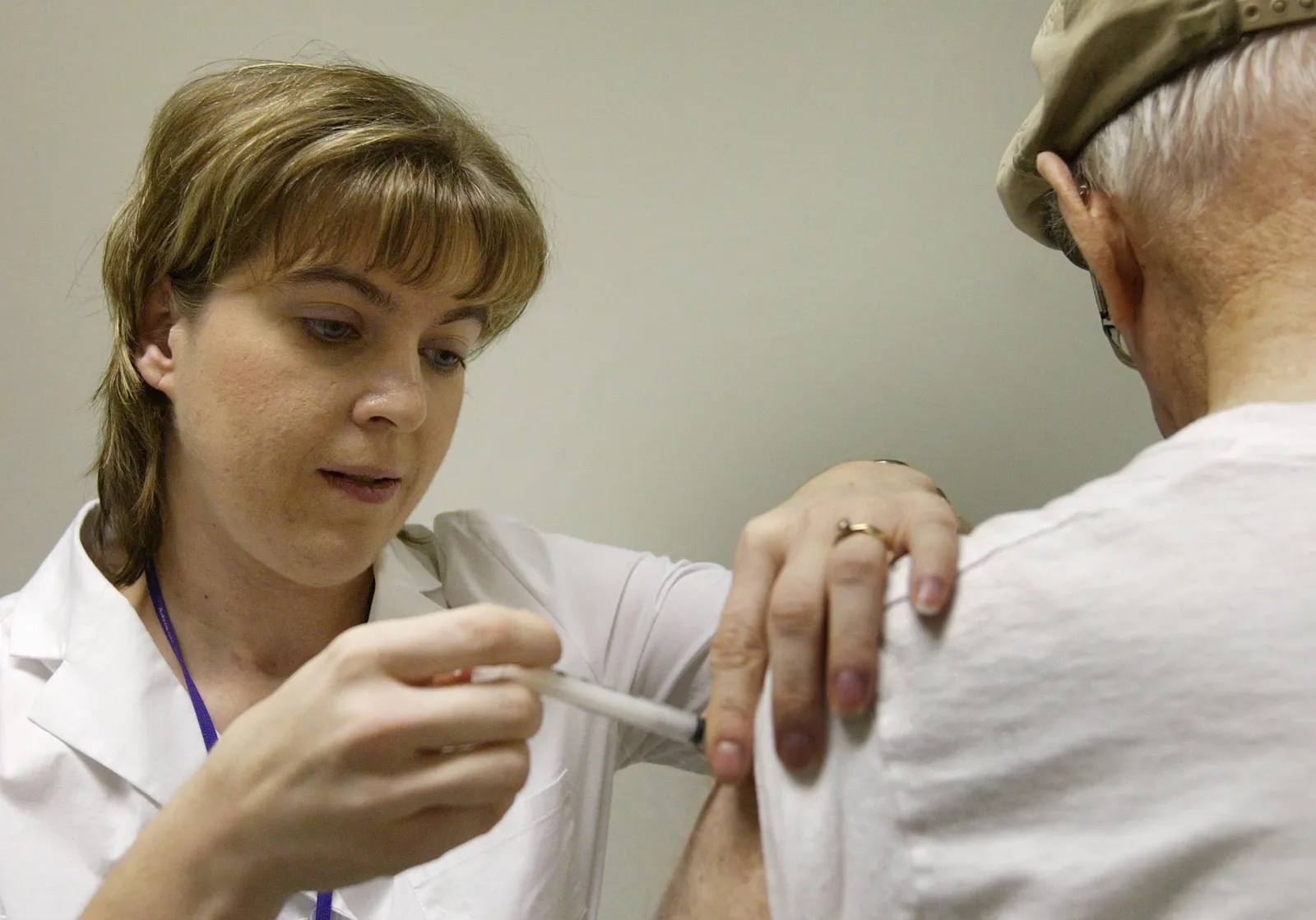
Insurers are likely rejecting more prior authorization requests due to the cost pressures they face, Ryan said.
The companies are reporting lower profits as seniors use more Medicare benefits than anticipated, and to mitigate this, many insurers have already decided to exit some markets.
Humana said it would lose several hundred thousand members next year, while Centene Corp also announced it would be ending its Medicare Advantage plans in at least six states in 2025.
"Insurers aren't necessarily the bad guys here," Ryan added. "They're trying to balance cost control with quality care. But sometimes the scales tip too far."
Ryan said in his experience, many denials come down to mismatched criteria between the Medicare rules and insurer policies, but it still could cause severe issues for seniors down the line.
"It represents hundreds of thousands of seniors facing roadblocks to care," he said. "Are we seeing some unintended consequences of increased market concentration? When a few big players dominate, they can set the rules of the game."
If you are enrolled in Medicare Advantage and find that your prior authorization request is denied, appealing is a solid option.
"The majority of our seniors either don't know or don't attempt to contest when a prior authorization is denied, but those who do are seeing success with the appeal process," Alex Beene, a financial literacy instructor for the University of Tennessee at Martin, told Newsweek. "One denial may not be the end of an attempt to actually receive a prior authorization."